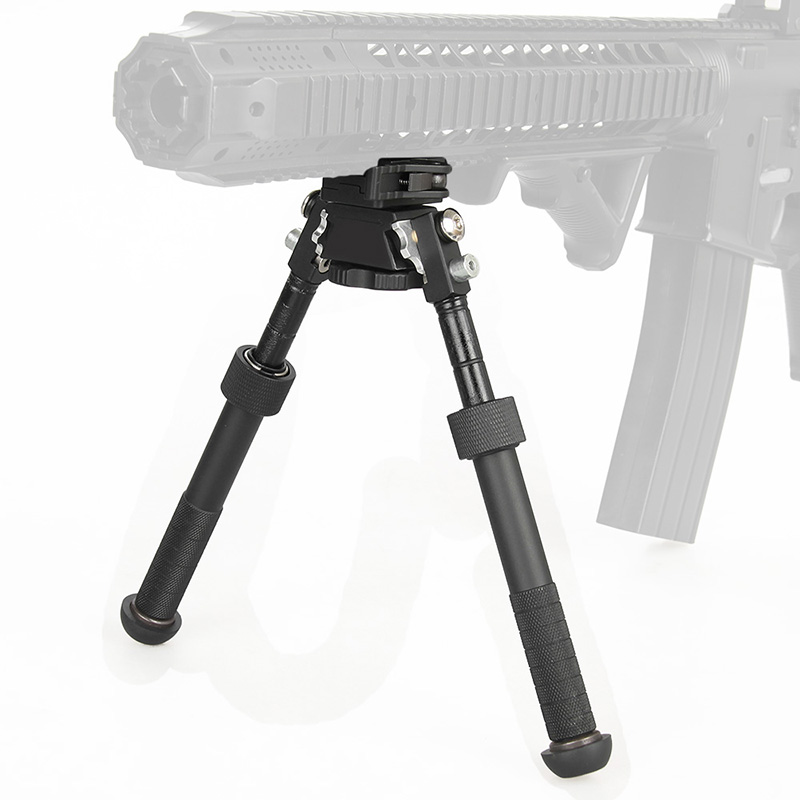
AR15 BIPOD - 4.75-9.0" BT10-LW17-ATLAS BIPOD
SKU: HK17-0019
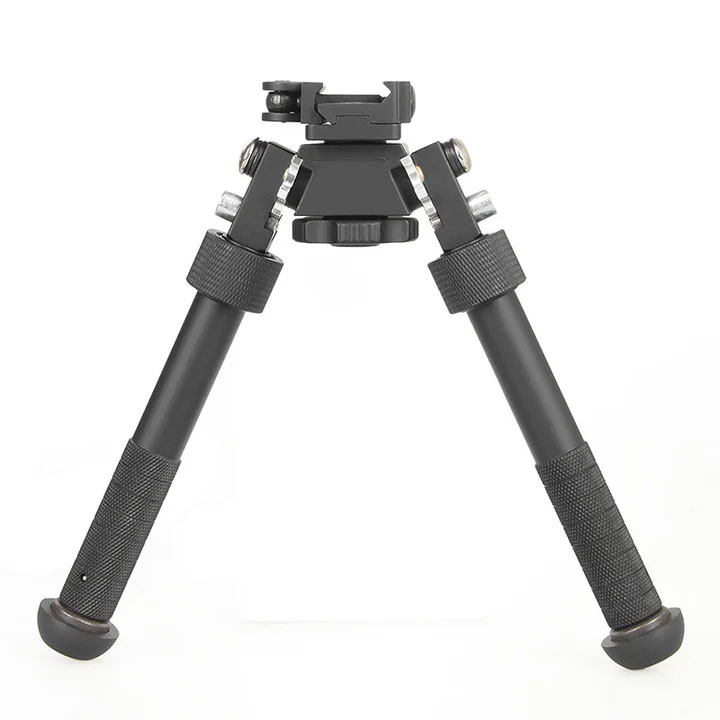
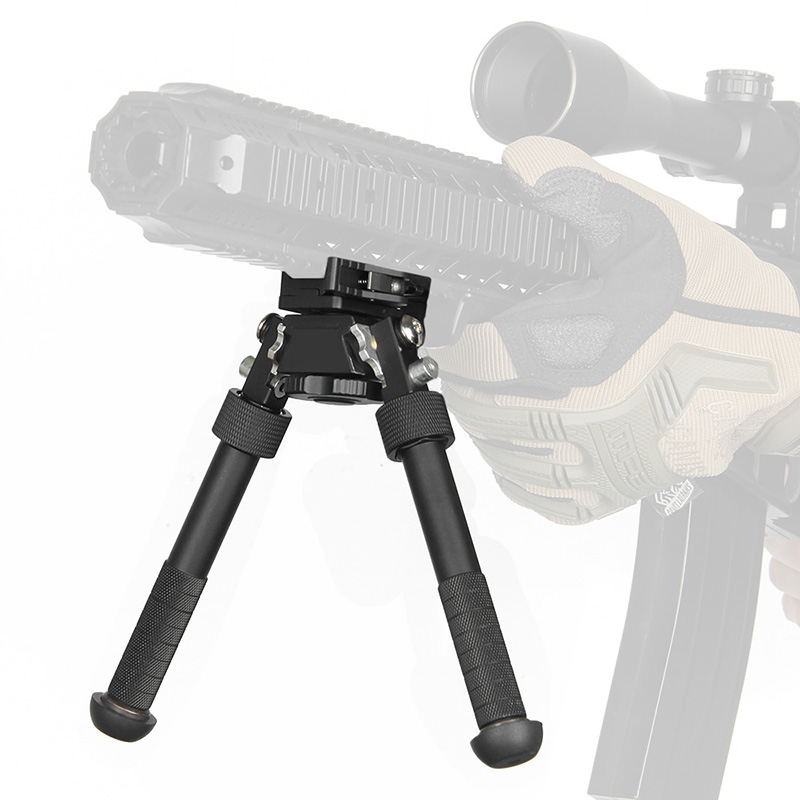
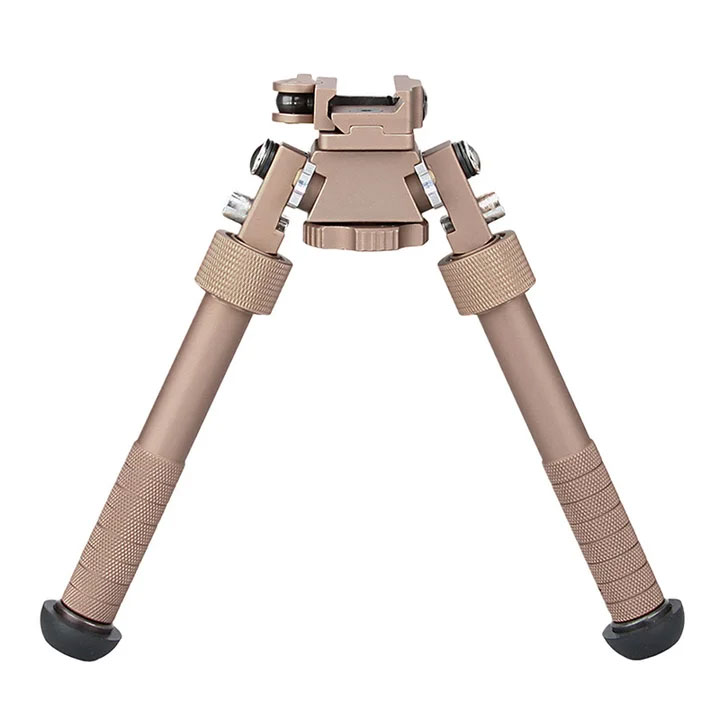
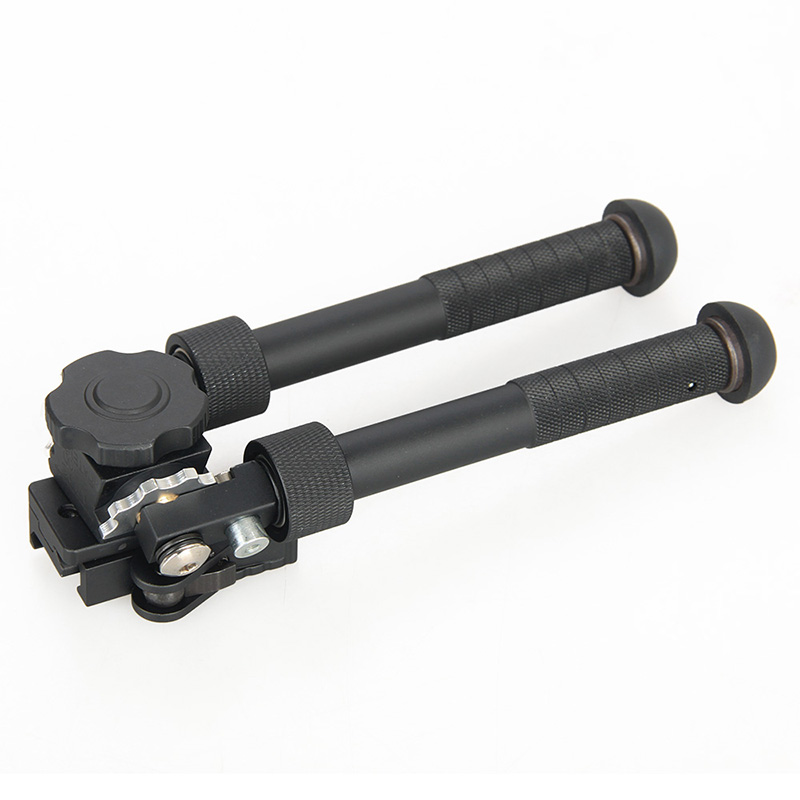
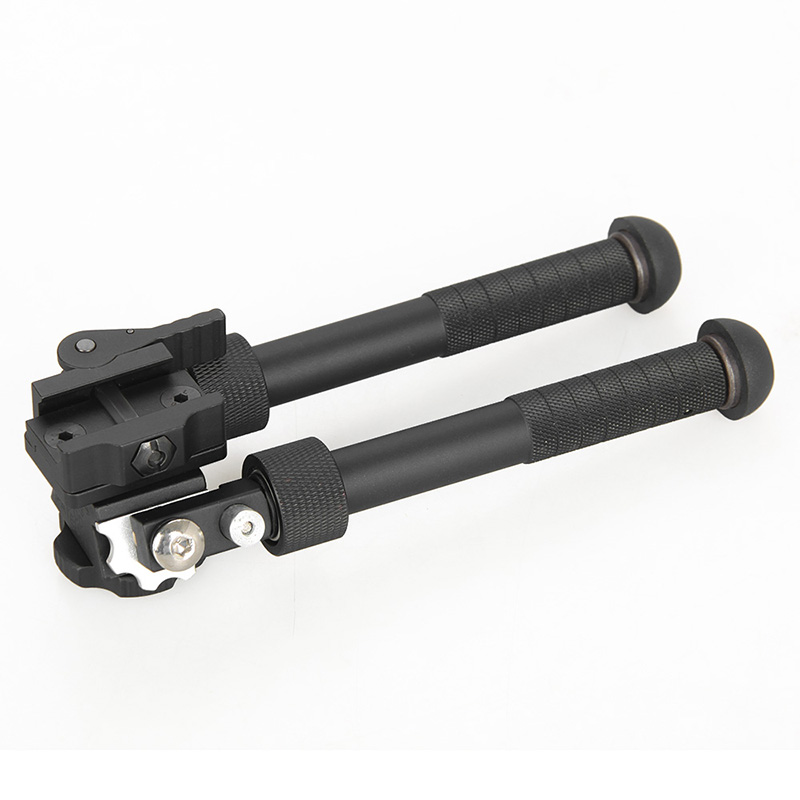
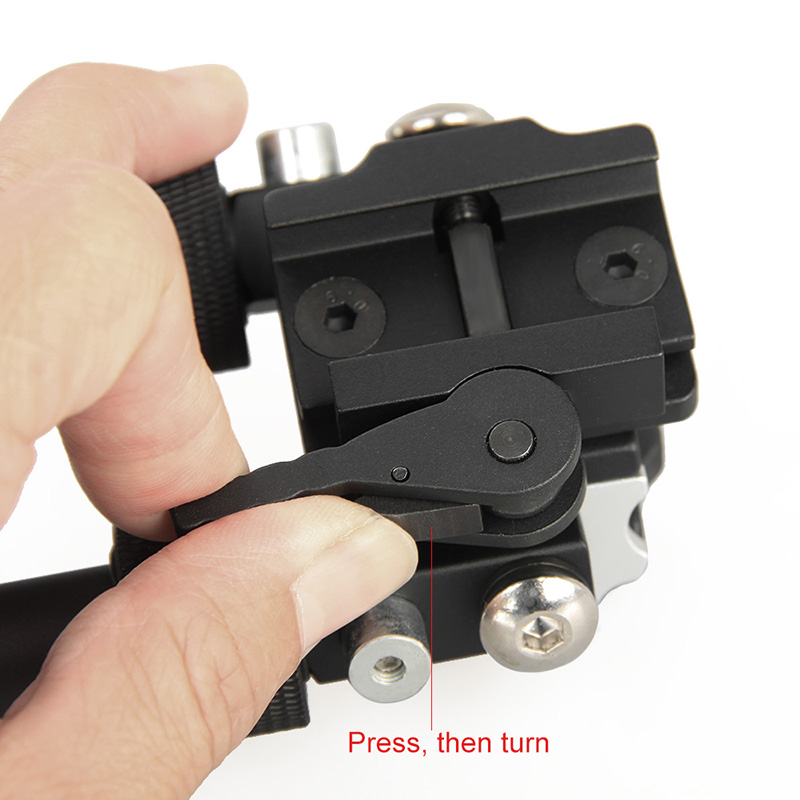
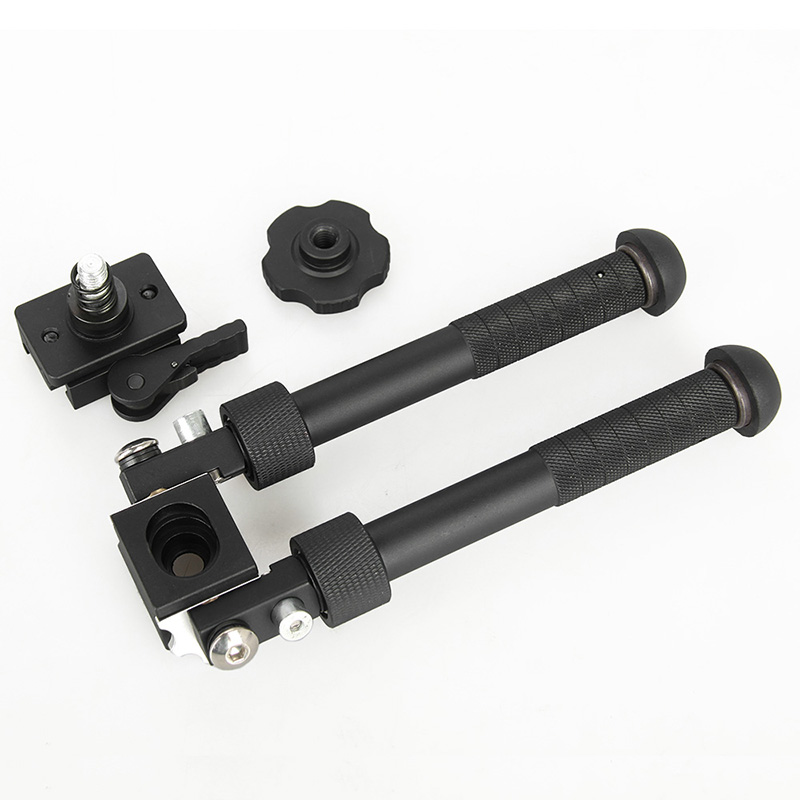
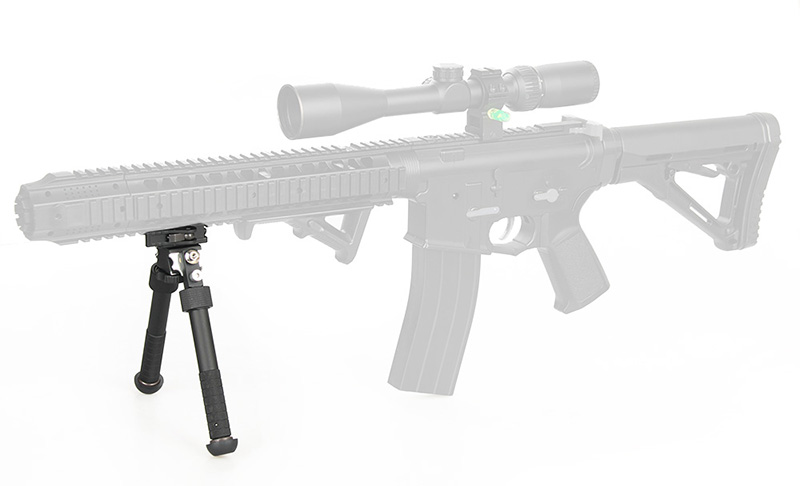
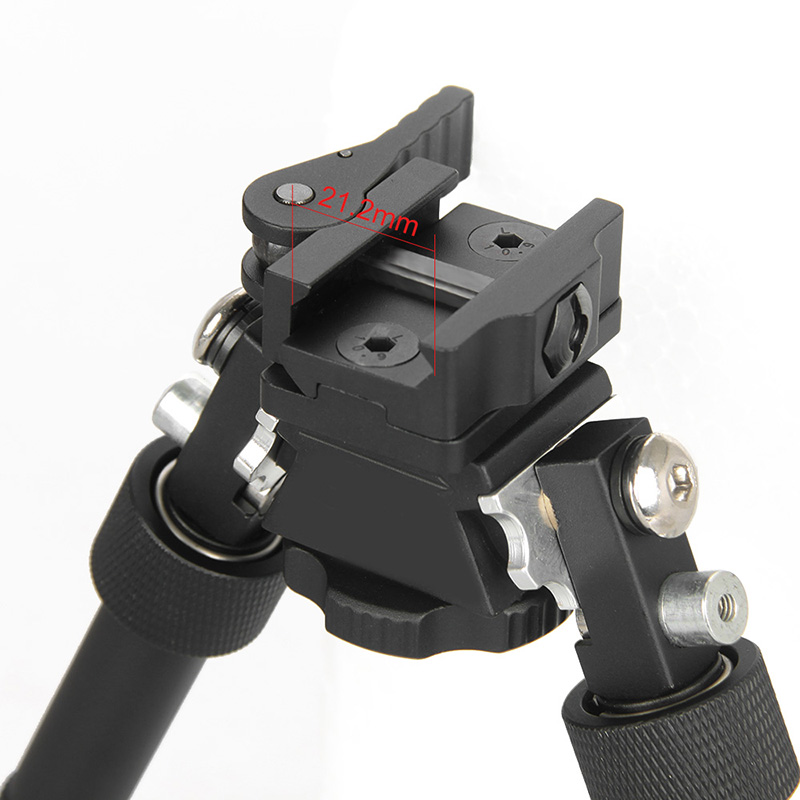
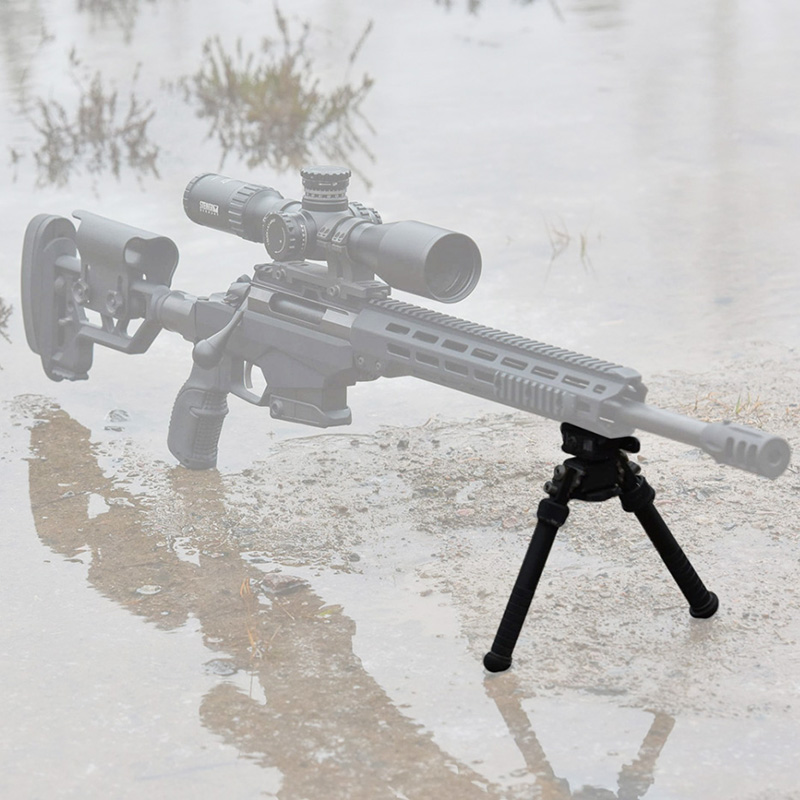
This Atlas BT10/LW17 Tactical Bipod redefines stability for AR15 platforms with its 4.75–9.0" height adjustability and rugged 6061-T6 aircraft aluminum construction, engineered for precision shooting in tactical, hunting, and competition scenarios. The quick-detach swivel mount enables tool-free installation on Picatinny/Weaver rails, featuring a lever-action release that maintains zero retention
Product Description
Mounts directly to any 1913 style Picatinny rail via included ADM 170-S Lever.
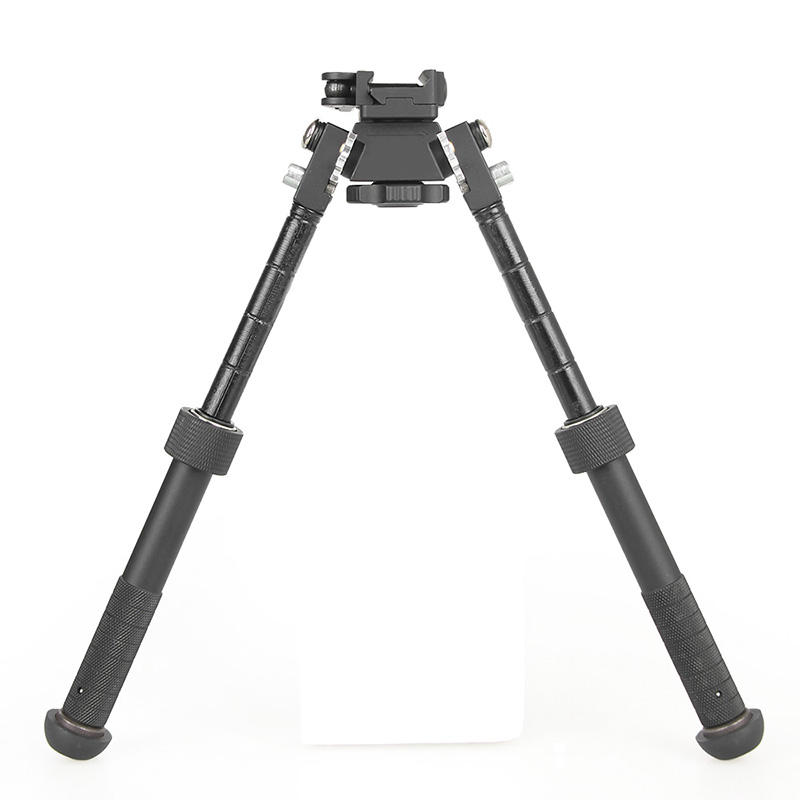
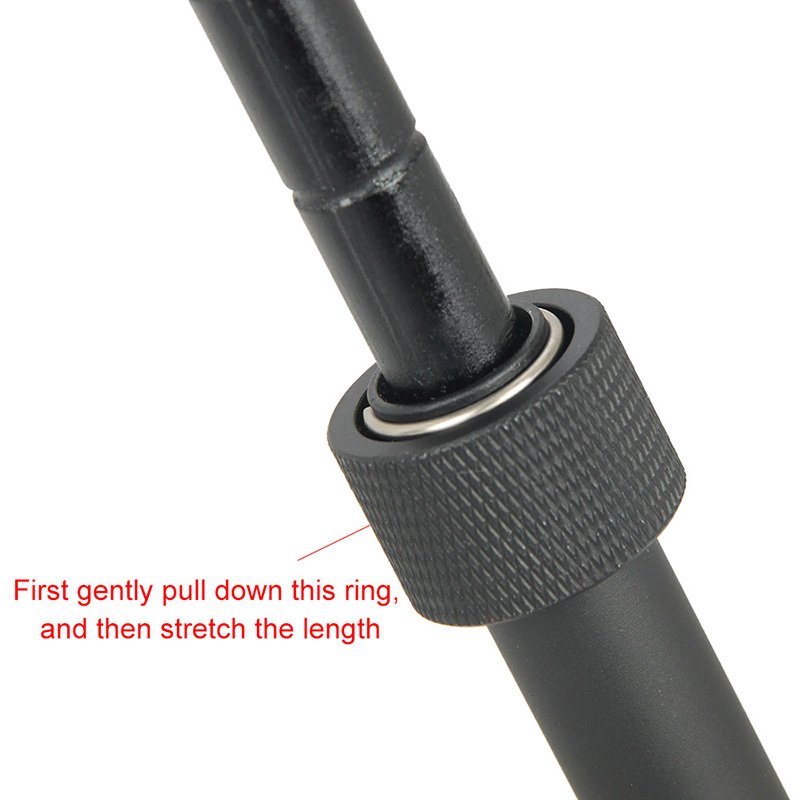
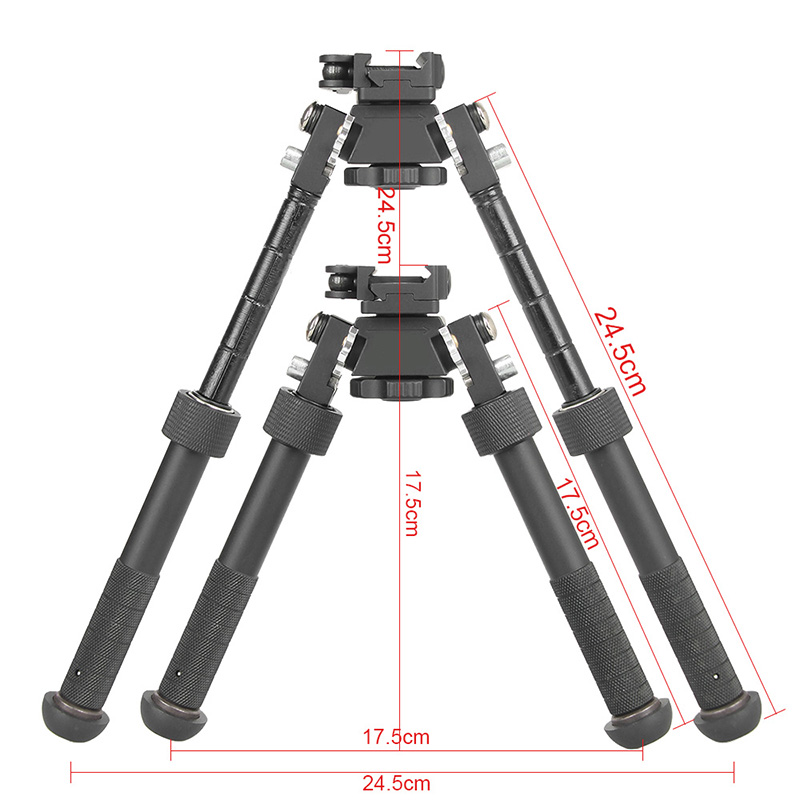
Height Range approximately 4.75 – 9.0".
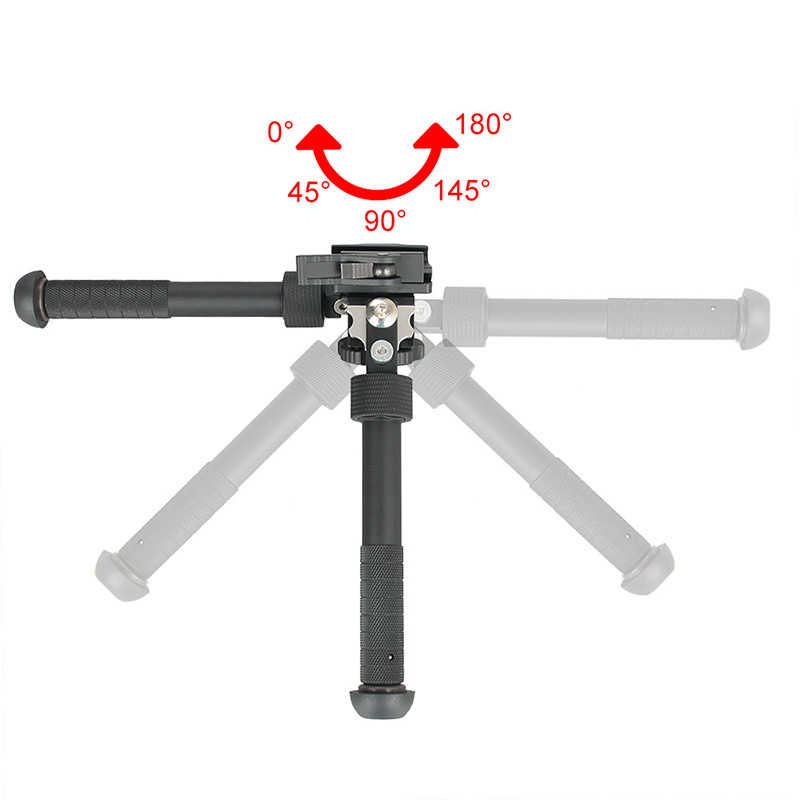
15 degrees +/- of preloaded Pan.
15 degrees +/- of preloaded Cant.
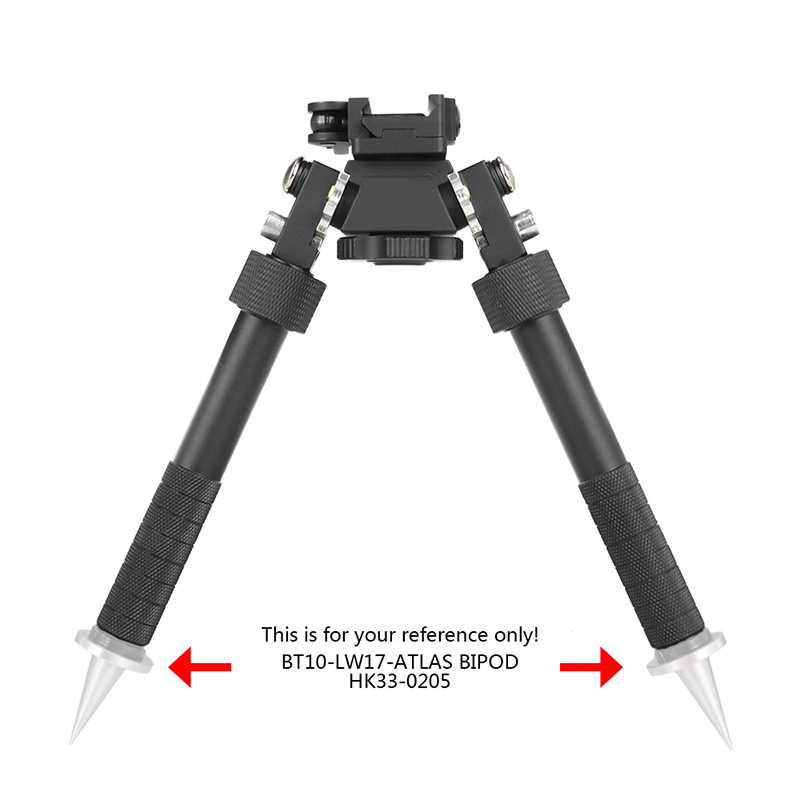
Leg positions are; stowed back, 45 degrees angled back, 90 degrees straight down, 45 degrees forward and stowed forward.
Fore and Aft pivot limiting Bosses.
Non-Rotating Legs: outer leg does not rotate around inner leg.
Strengthened Leg Boss.
Inner Leg constructed from T6063.
Footprint spread 8"–11"
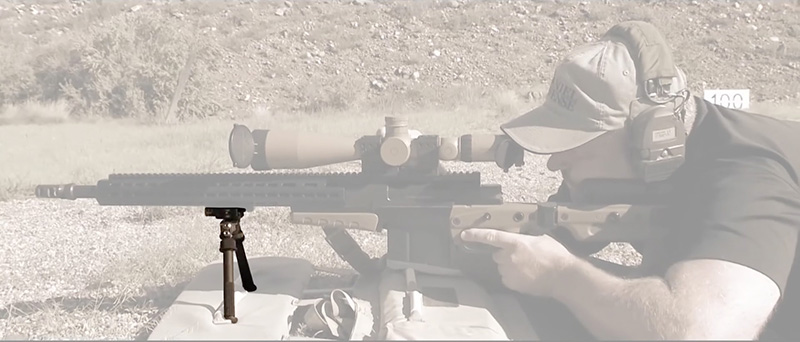
A bipod is an attachment, usually to a weapon, that helps support and steady it. The bipod provides significant stability along two axes of motion (side-to-side, and up-and-down).
Bipod comes from the Latin and Greek roots bi and pod, meaning "two" and "foot, or feet" respectively.
History
The first known use of bipods on firearms can be traced back to hand cannons of the 12th century which were cast iron barrels laid on top of short poles.
Bipods on rifles are first known to have been used in an improvised fashion during the mid-19th century, particularly by frontiers hunting buffalo and other wild animals. For example, the painting "The Long Shot" by Howard Terpning shows indigenous native American hunters shooting a rifle with an improvised bipod consisting of two crossed arrows.
During the 20th century, use of dedicated bipods increased, and was seen on different types of rifles during wars. For example the Lewis gun (1914) was fitted an adjustable of bipod.The technology became more advanced, with hinged legs and even extendable or retractable legs.
One of the first companies to manufacture commercially successful bipods was Harris Engineering, Inc founded in 1979 in Barlow, Kentucky by Gerald Harris, Margaret Harris, and Susan Wilkerson. Before starting the company, Gerald had applied for a patent on the bipod. In 2019, their successful Harris Bipods have been produced for nearly forty years, and have remained relatively unchanged.
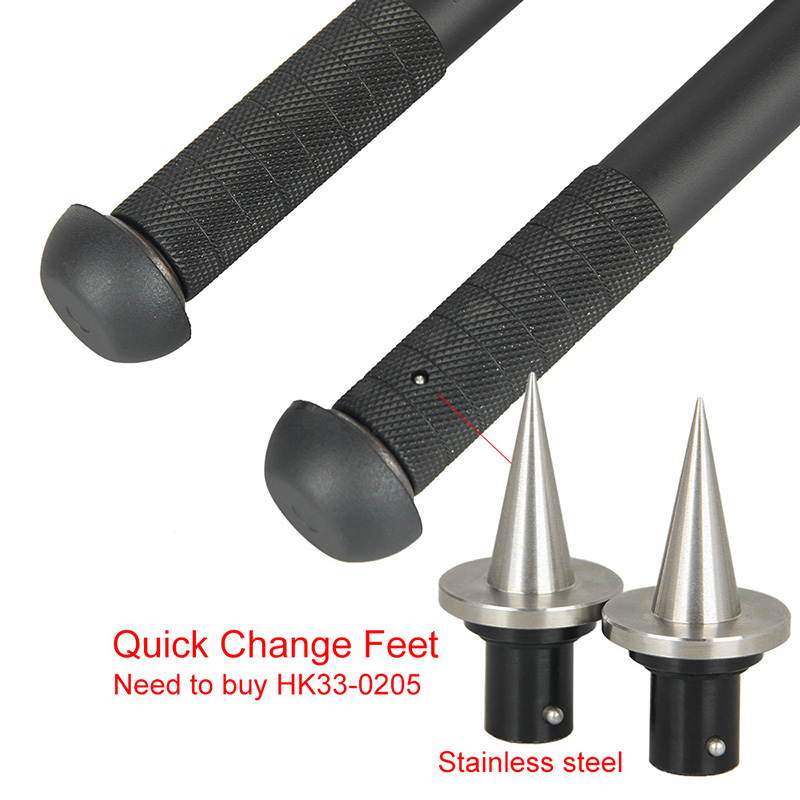
Recent advances in manufacture of bipods include use of lightweight materials such as aluminium, carbon fiber and titanium, use of different quick attachment and detachament mechanisms (Picatinny, M-LOK, etc. or even magnets) and various types of feet materials such as rubber, metal, or a "basket" designed to stop the bipod from sinking into soft surfaces such as fine sand or deep snow (inspired by ski poles and snowshoes)
Mounting standards
There are several mounting standards for attaching a bipod to a rifle, of which some well known are swivel stud, Picatinny and Versa Pod spigot mount.
Before requesting a quotation
Include this product model or page link, your company, destination market, estimated quantity and intended purchase date.
- Confirm the exact configuration, mounting interface and included accessories.
- Specify any logo, packaging or customization requirements.
- Request model-specific specifications and applicable documentation.
- Confirm sample terms, minimum quantity, lead time, shipping and warranty coverage in the quotation.
Request a Wholesale Quote
Interested in the AR15 BIPOD - 4.75-9.0" BT10-LW17-ATLAS BIPOD? Include your quantity, destination market and compatibility requirements so our team can review your inquiry.
Related Products

Adjustable Torque Screwdriver
An adjustable torque screwdriver for general assembly and equipment maintenance.
Learn more
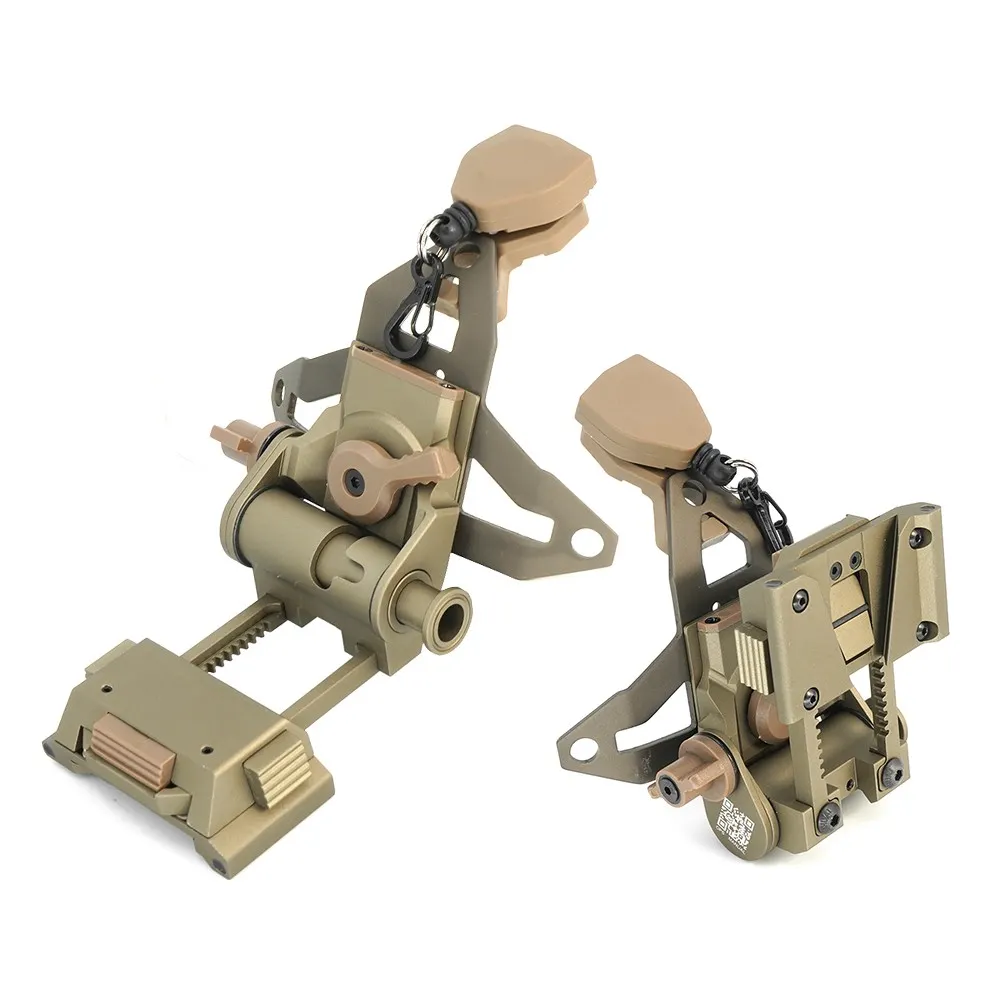
L4G30 NVG Helmet Mount with Lanyard Combination Set for PVS14/PVS18
L4G30 NVG Helmet Mount with Lanyard Combination Set for PVS14/PVS18
Learn more